Optimal Timing for Water Treatments
Water treatments are essential for maintaining water quality and ensuring safety in residential, commercial, and industrial settings. Proper timing of treatments can optimize effectiveness, prevent issues, and extend the lifespan of water systems. Understanding the optimal periods for water treatment ensures that systems operate efficiently and contaminants are managed effectively.
Water treatments are often most effective during specific seasons, such as spring and fall, to prevent buildup of minerals and algae growth.
Scheduling treatments before peak usage periods helps maintain water quality during high demand times.
After heavy rains or storms, treatments can address runoff and contamination risks.
Regular assessments help identify optimal treatment times based on water system conditions.
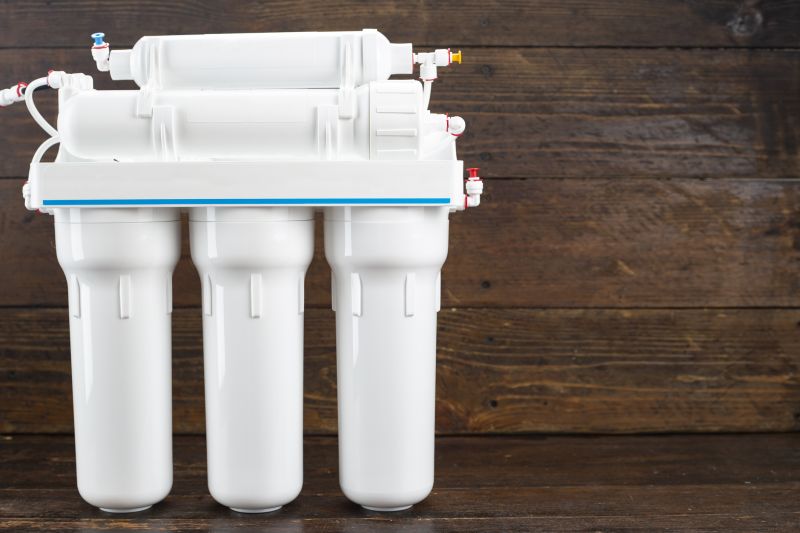
Spring is ideal for initiating treatments to remove accumulated sediments from winter.
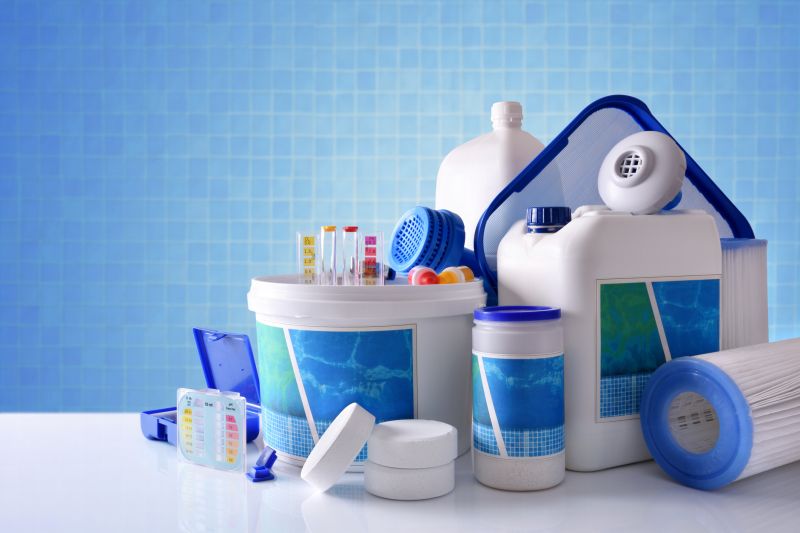
Summer treatments focus on controlling algae and bacteria growth during warmer months.
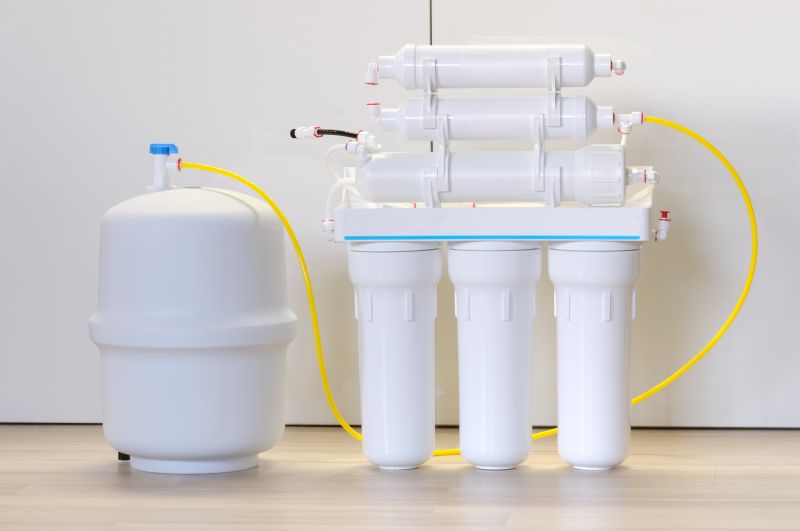
Preparing systems for lower activity periods involves cleaning and disinfecting.
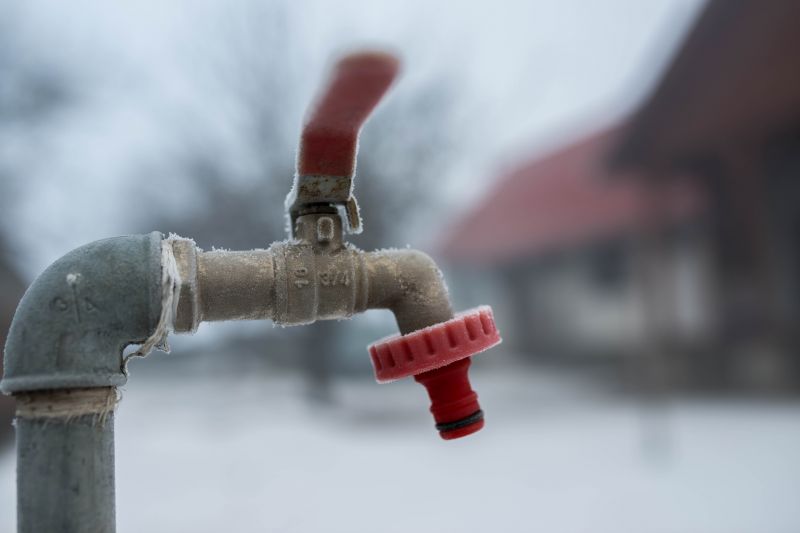
Winter treatments prevent freezing damage and address residual contaminants.
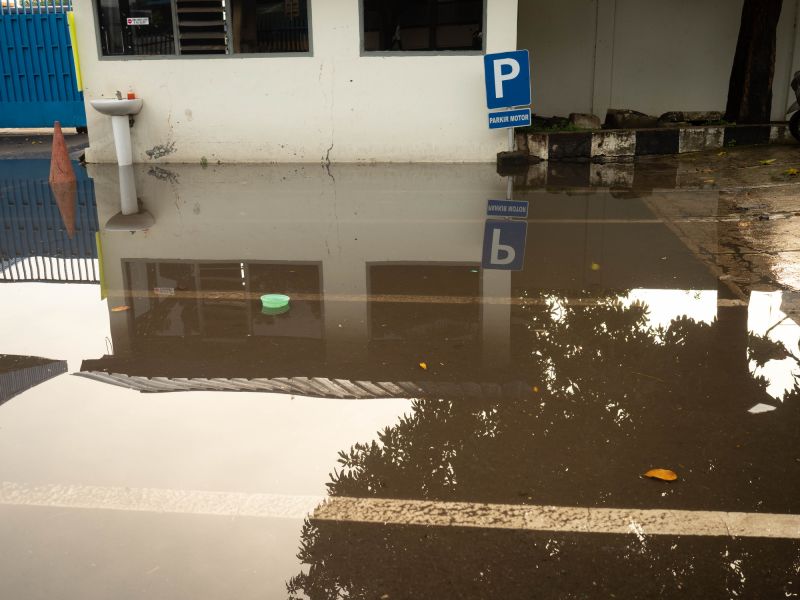
Address contamination risks following heavy weather events with targeted treatments.
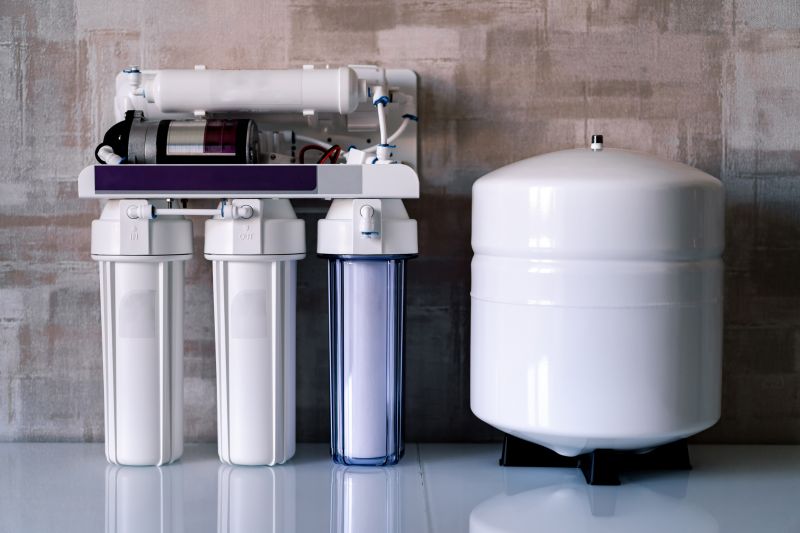
Scheduled treatments ensure ongoing water quality and system longevity.
| Timing Aspect | Details |
|---|---|
| Spring | Ideal for removing winter sediments and preparing for warmer months. |
| Summer | Focus on algae control and bacteria management. |
| Fall | Prepares water systems for lower activity and cold weather. |
| Winter | Prevents freezing damage and addresses residual contaminants. |
| Post-Storm | Mitigates contamination from runoff and storm debris. |
| Routine Checks | Regular assessments inform treatment scheduling. |
| System Age | Older systems may need more frequent treatments. |
Water treatments encompass various methods including filtration, chemical disinfection, and mineral removal. Proper timing enhances these processes, ensuring water remains safe and systems operate efficiently. Statistics indicate that untreated water systems can experience a 30 to 50 percent increase in contaminant levels during transitional seasons, highlighting the importance of timely treatments.
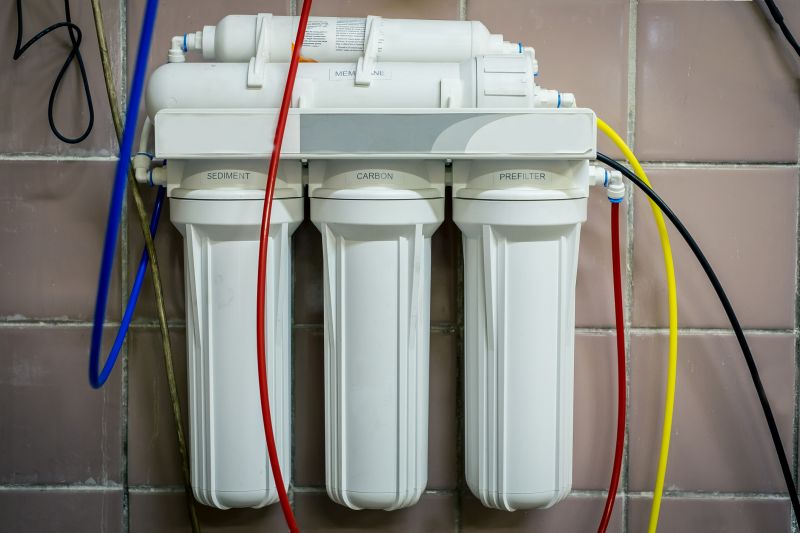
Installed during optimal periods to ensure effective removal of particles and contaminants.
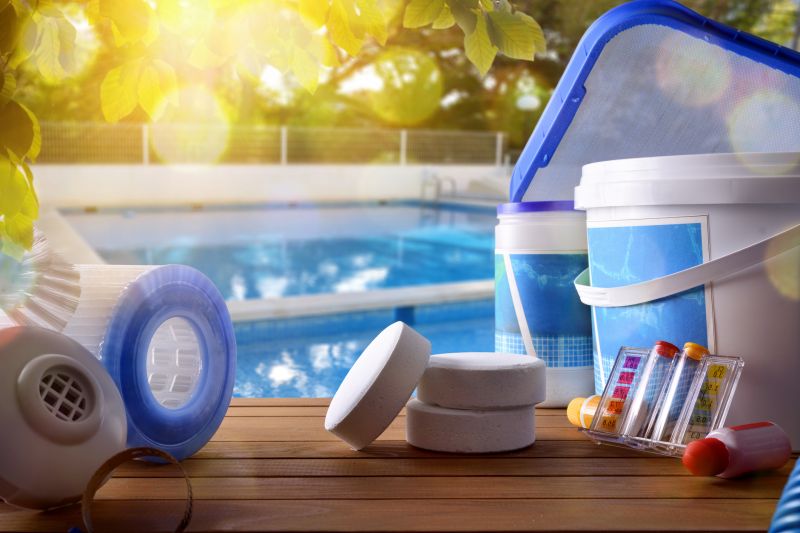
Scheduled to coincide with seasonal changes for maximum efficacy.
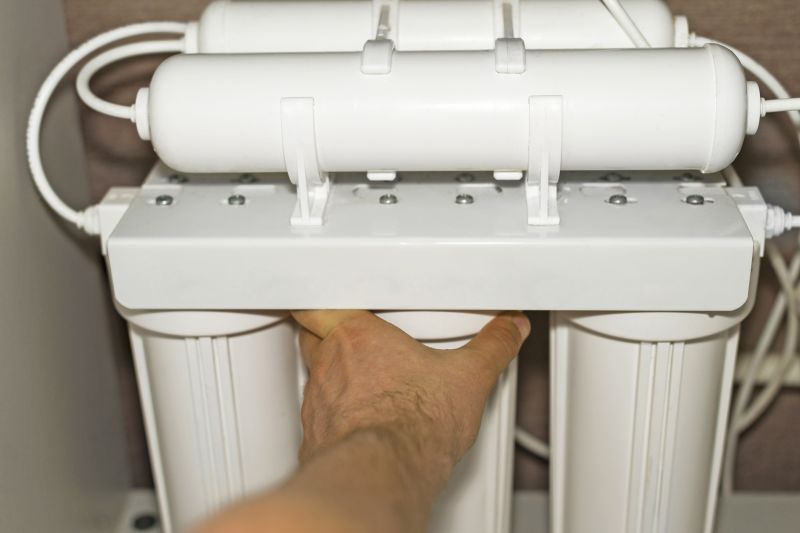
Best performed during low-demand periods to prevent system overload.
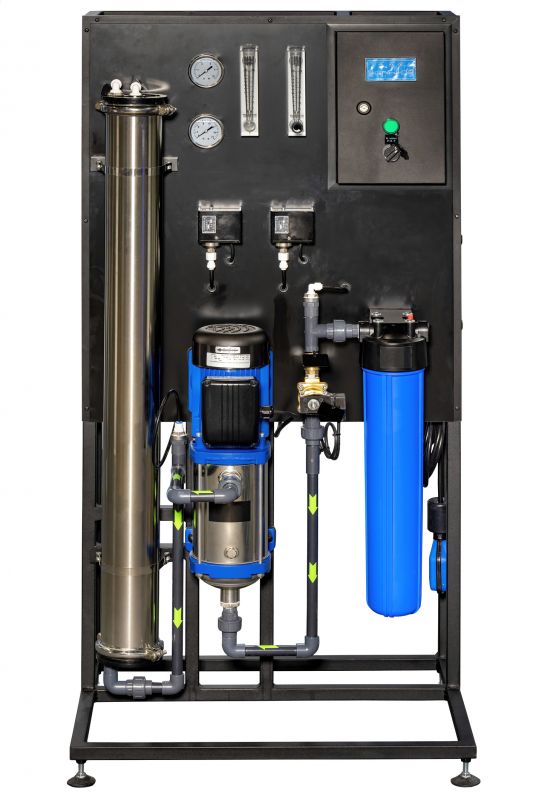
Regular testing guides the timing of treatment interventions.
Choosing the correct time for water treatments depends on local climate, water usage patterns, and system condition. Properly timed treatments can prevent costly repairs, reduce health risks, and improve water quality. If interested in scheduling water treatments, filling out the contact form provides a straightforward way to initiate service and ensure water safety year-round.